Why “Frogtown”?
-
Before modern drainage, retention basins, or agricultural tiling were introduced, the roughly 45-acre area in the northwestern sector of Yellow Springs was characterized by low-lying topography, high water tables, and hydric (wetland) soils.
Hydric soil is soil that forms under conditions of saturation, flooding, or ponding long enough during the growing season to develop anaerobic, oxygen-depleted conditions in its upper layers. Because persistent water prevents oxygen from diffusing into the ground, soil microbes quickly consume the available oxygen, triggering chemical changes that leave distinct indicators such as dull gray coloring, gleying, rust-colored mottles, or thick organic peat accumulation characteristic of wetland environments.
A wetland is an area of land where the soil is covered or saturated by water, either permanently or seasonally, long enough to support vegetation specifically adapted to low-oxygen, wet conditions. Serving as dynamic transitional zones between terrestrial and aquatic environments, wetlands include distinct habitats such as marshes, swamps, bogs, and fens.
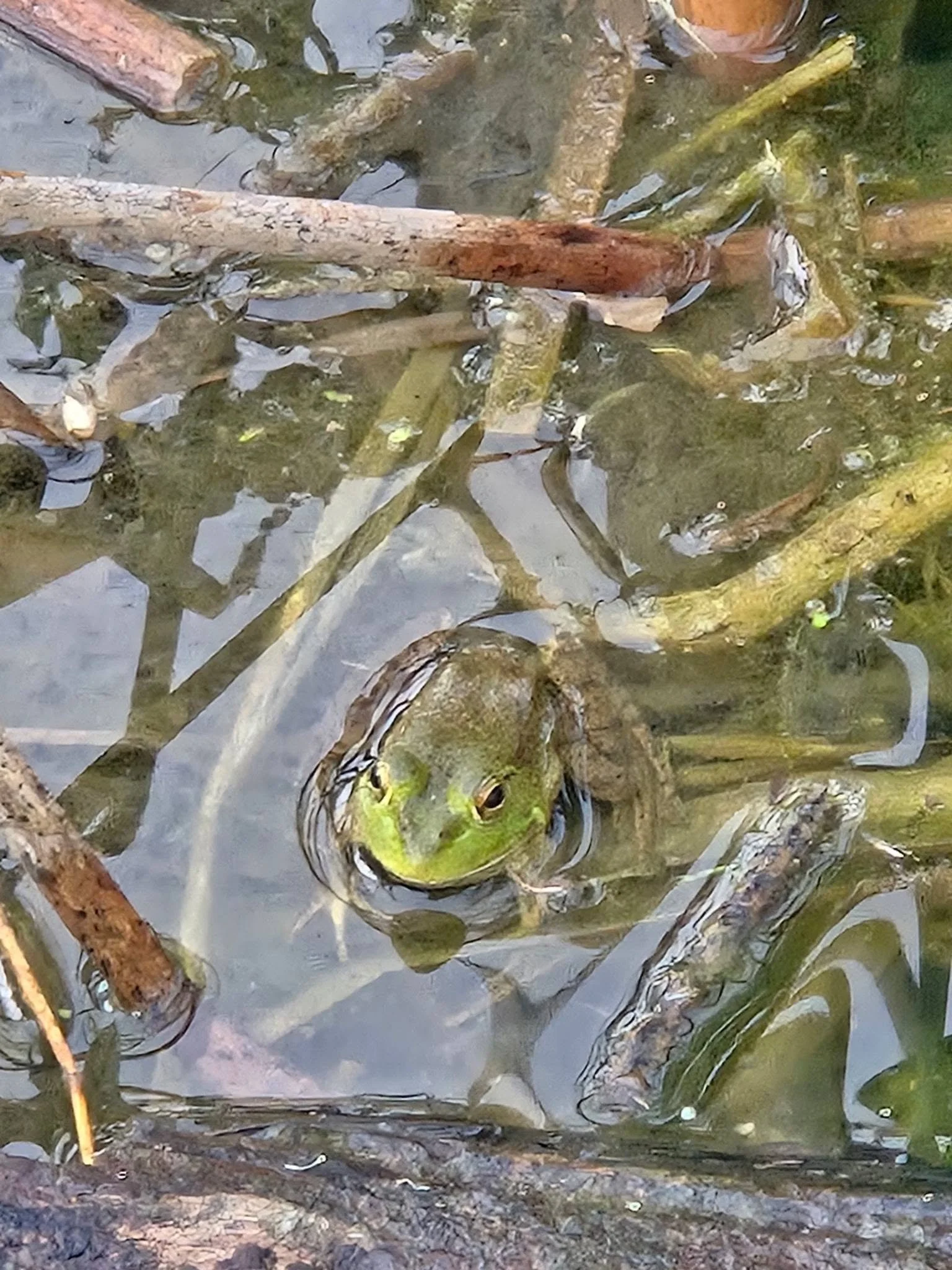
These poorly drained soils naturally pooled water during rainy seasons, creating prime breeding grounds and habitat for large native amphibian populations. The chorus of frogs across the marshland (still heard in the spring and summer months today) earned the surrounding acreage its informal colloquial name, "Frogtown."
-
Long before the property was acquired by the Village, "Frogtown" served as a familiar geographic descriptor among local working-class residents and neighborhood families. Oral histories preserved in village archives detail how children and neighbors referred to the wet fields and contiguous lowlands by this nickname, reflecting a deep-lived connection to the local landscape.
-
In the mid-20th century, portions of the land were farmed by the Glass family, thus where the term “Glass Farm” was born. In 1974, the Village of Yellow Springs purchased the 45-acre parcel from Bob Baldwin Sr. to hold as municipal open space. Because the land's persistent wetland conditions and hydric soil constraints made conventional development difficult, nature—aided by returning beaver colonies—re-established permanent wetland habitats, we have begun to call the land Frogtown again, correctly connecting the site back to its original "Frogtown" ecological roots.
Since the name "farm" implies buildable, cleared agricultural land that is simply waiting for residential development and hides its true ecological identity, we are connecting the site back to its original "Frogtown" name reflecting that the USDA soil data proves this site is naturally a wetland ecosystem.