Protect an Irreplaceable Wildlife Corridor
-
CLICK HERE TO VIEW FROGTOWN OBSERVATIONS
iNaturalist is a global citizen science social network where nature enthusiasts, scientists, and the public map and share biodiversity data worldwide. Users upload photo or audio observations of plants, animals, and fungi, which are identified using automated image recognition and community verification—turning everyday nature sightings into open-source research data
-
CLICK HERE TO VIEW FROGTOWN OBSERVATIONS
Just as a weather station continuously monitors and logs local atmospheric conditions (such as temperature, rain, and wind) using automated sensors, BirdWeather uses automated acoustic sensors to continuously monitor, identify, and map the real-time "climate" of local bird activity and vocalizations.
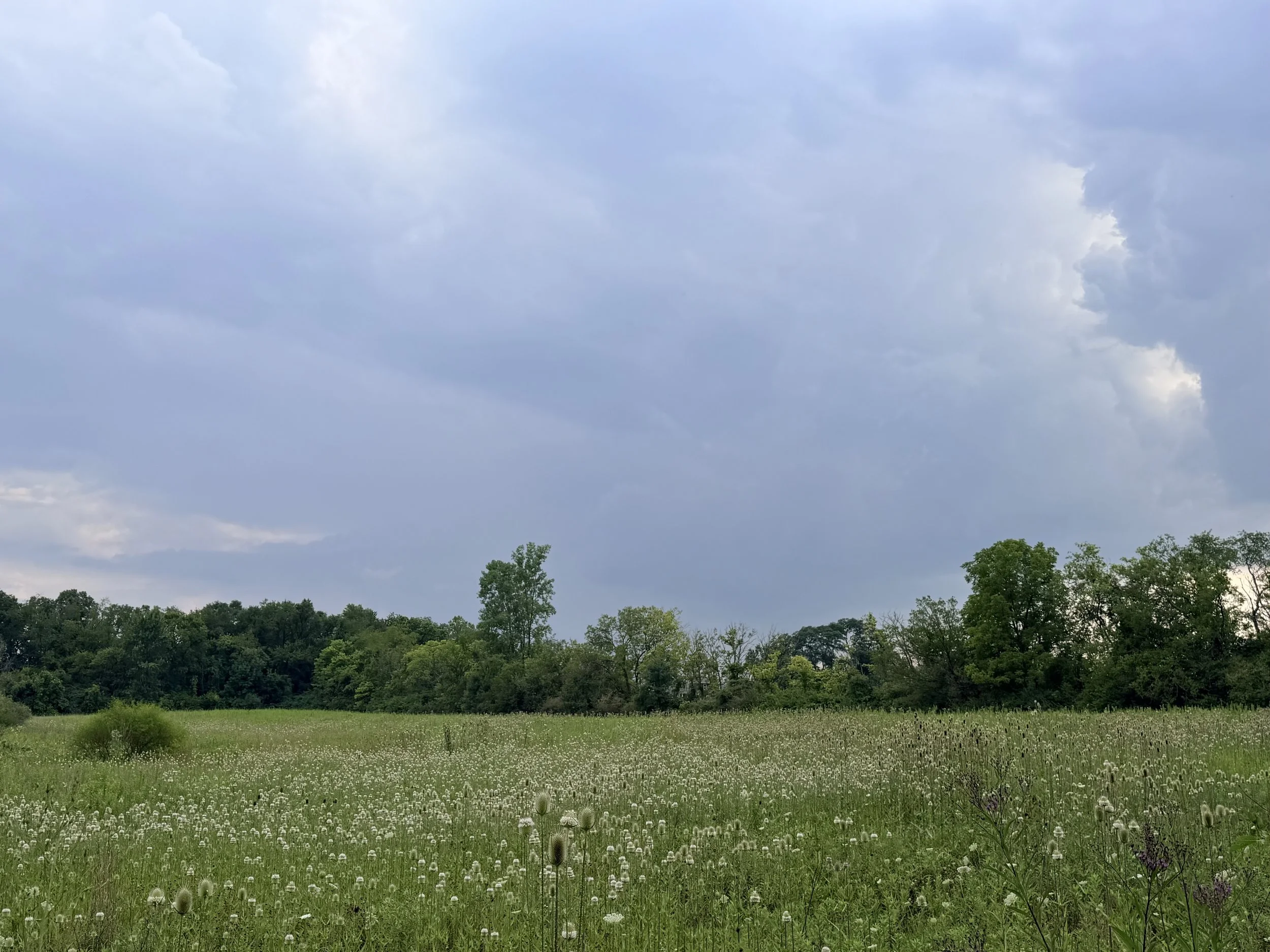
The wildlife recorded at Glass “Farm” represents a community of terrestrial and aquatic insects adapted to meadow, field, and damp drainage environments. Documented species include widespread pollinators, beetles, and plant bugs such as the Western Honey Bee, Large Milkweed Bug, Red Milkweed Beetle, Question Mark butterfly, Green-striped Grasshopper, Margined Leatherwing Beetle, Goldenrod Gall Fly, and Black Firefly.
The ecosystem's wetland nature is specifically evidenced by aquatic and moisture-dependent insect species that rely on standing water and wet-soil flora. In particular, odonates like the Common Whitetail dragonfly, Eastern Forktail damselfly, and Widow Skimmer dragonfly depend directly on aquatic environments to complete their nymphal development and lay eggs.
Furthermore, the Black Willow Bark Aphid serves as an indicator of host willow trees, which are classic hydrophytic plants that grow in saturated soils, marshy zones, and drainage basins. Together, these water-dependent insects and plant-associated species confirm the wetland and drainage habitat conditions of the Glass “Farm” property.