Save Frogtown!
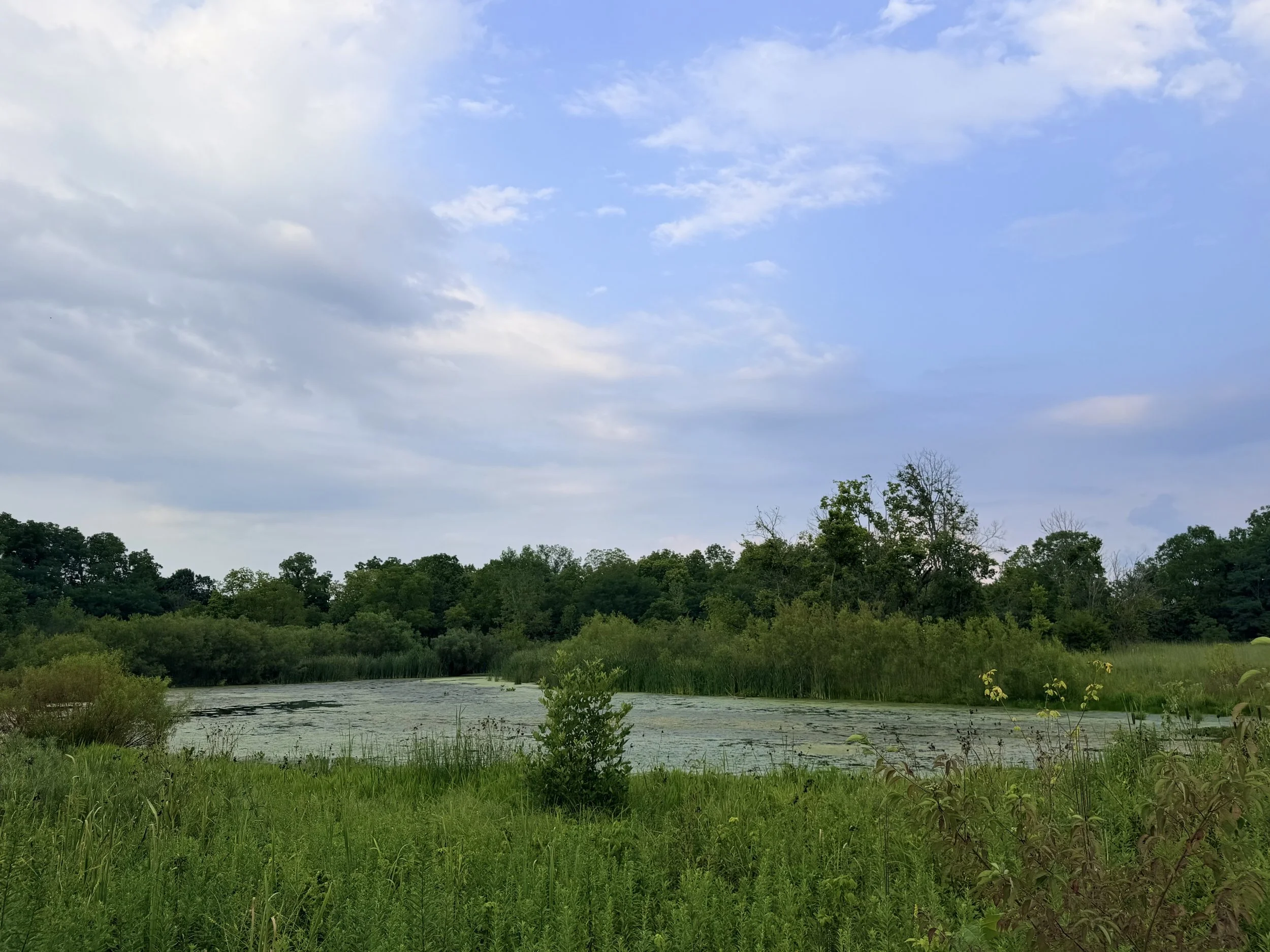
Saving wetlands and supporting affordable housing often appear to conflict over land use, but they intersect through long-term community resilience. Yellow Springs CAN do both, but we need YOUR help!
Scan the QR code or click here to sign the petition to formally request that Village Council pause all decisions concerning development of Glass “Farm” until public input has been gathered via public vote and the full impacts on our existing residential development in our community have been carefully assessed.

Save Frogtown
〰️
It's a Wetland, NOT a Farm!
〰️
Save Frogtown 〰️ It's a Wetland, NOT a Farm! 〰️
Donate to Help
Your contributions power our grassroots effort to safeguard the Glass Farm wetland. Donations directly fund educational outreach, printed materials, and basic campaign operations, with any remaining funds supporting long-term conservation and upkeep of Frogtown.
CLICK HERE to donate today to protect this irreplaceable ecosystem for future generations.
Support building Affordable Housing on Stable Land
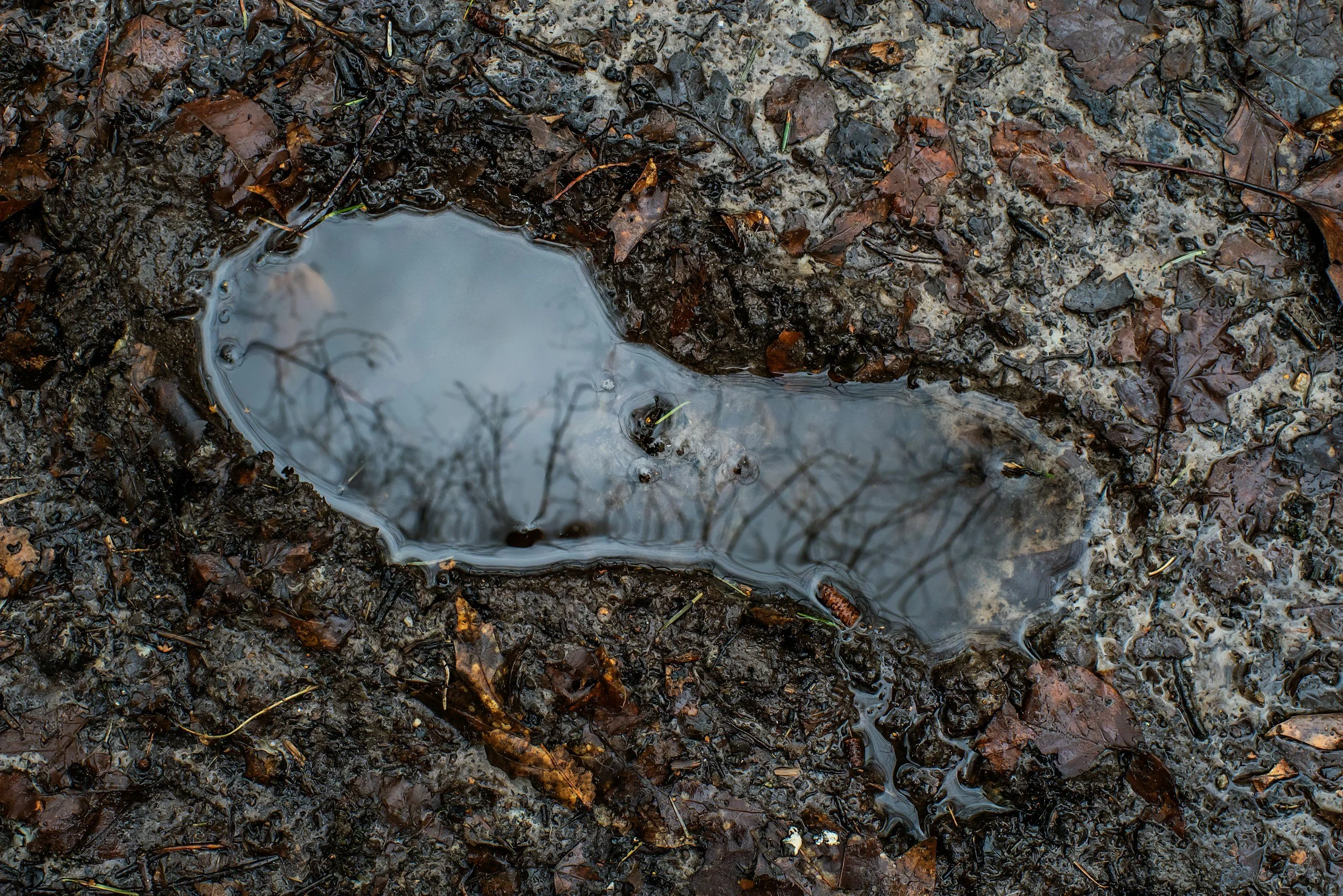
We are strongly supportive of affordable housing, but we firmly oppose building any home — affordable or otherwise — on land with unstable soil conditions that would inevitably cause severe foundation damage, basement inundation, and infrastructure deterioration of those homes while also driving destructive flooding into our neighbors' homes.
Learn more by clicking on the sections below.
-
Official USDA soil survey data confirms that over 64% of Glass “Farm” property functions as a natural wetland basin—composed of hydric soils with a water table just 3 to 6 inches deep and a high frequency of surface ponding. Learn more about these soils on our Environmental Reports page.
-
Paving over or building on this critical stormwater buffer destroys natural water retention. This
subjects future residents to continuous structural settling and water damage,
worsens runoff risks for current adjacent homeowners, and
burdens the Village with severe long-term financial and legal liabilities.
-
No, proposing homes on stilts is not a creative architectural solution; it is a direct admission that the Glass “Farm” is an unbuildable wetland.
Elevating structures on piers fails both engineering and safety reality in Yellow Springs. Why?
Extreme Winter Freezing: Open-air subfloors expose water lines and plumbing to sustained sub-zero Ohio temperatures, causing chronic thermal loss and burst pipes.
Tornado & High-Wind Hazard: Eliminating basements due to shallow groundwater leaves residents without subterranean storm shelter during severe weather and high-wind emergencies.
Unstable, Shifting Clay: The site’s Brookston hydric soils feature high-plasticity clay with extreme shrink-swell potential. Constant ground expansion and contraction tilts, shifts, and destabilizes vertical stilt piers.
Resorting to stilt construction proves what the scientific data from the 2016 Terracon study and USDA NRCS ratings have shown all along: traditional foundations fail here because the land is a natural wetland. You don't need stilts for farmland—you need stilts when the ground is full of water.
Repeating History means It’s Time to Trust the Science

History is repeating itself here in our Village. Glass "Farm" isn't a farm—it's a wetland, and the data proves it. We know it, and we know that YOU know it, as well. The research and work has already been done across decades of official study, environmental analysis, and community reporting.
It is time to listen to the scientific data and extensive factual record. Click on each section below to learn more about each finding.
-
On page 10 of this report it states,
“Based on shallow groundwater conditions encountered in the borings, structures with basements are not considered suitable at this site.”
Click here to read this report on our Sources page. -
Pages 12 through 14 outline “Recommendations” that can be summarized as
Severe Soil Instability and Structural Limitations: Glass “Farm” consists of heavy clay soils with high shrink-swell potential combined with shallow groundwater, creating high risks for foundation failure. These conditions prohibit basements entirely and preclude larger, multi-story structures, restricting potential builds to minimal single-story slab foundations.
Inadequate Stormwater Drainage Infrastructure: The existing retention pond on Tecumseh’s conservation easement was never designed or intended to accommodate stormwater runoff from new construction. Because the site naturally drains poorly, any building effort risks triggering downstream flooding unless expensive, low-impact mitigation techniques (such as rain gardens) are mandated across the entire site.
Traffic Infiltration into Residential Neighborhoods: Linking Glass “Farm” to nearby roads like Ridgecrest Drive introduces significant traffic risks to established residential streets, requiring strict design interventions to prevent the area from being overrun as a continuous north-south throughfare.
Costly Access and Utility Demands: Development demands dedicated 60-foot right-of-way expansions along King Street for turn lanes and non-motorized infrastructure, alongside potential off-site sanitary sewer extensions across adjacent private properties to establish adequate utility capacity.
Learn more about this Regional Planning Study (and our other sources) on our Sources page.
-
On page 17 of the 2026 White Paper: Housing Retreat Packet, it states that,
“Yellow Springs does not yet have a complete local rental inventory, a clear public-facing rental complaint pathway, a consistent system for tracking rental-related concerns by property or outcome, or a defined process for tenant and landlord education.”Without a rental registry, Yellow Springs faces key data and operational consequences that you can read more about here.
Establishing a rental registry, vacant property frameworks, and infill incentives will allow our Village to assess whether better managing and optimizing its current housing stock can meet affordability targets before developing our high-value natural areas.
-
The USDA Natural Resources Conservation Service (NRCS) and provides access to the largest natural resource information system in the world. Learn more about the Glass “Farm” Hydric Rating maps on our Environmental Reports page.
Protect an Irreplaceable Wildlife Corridor
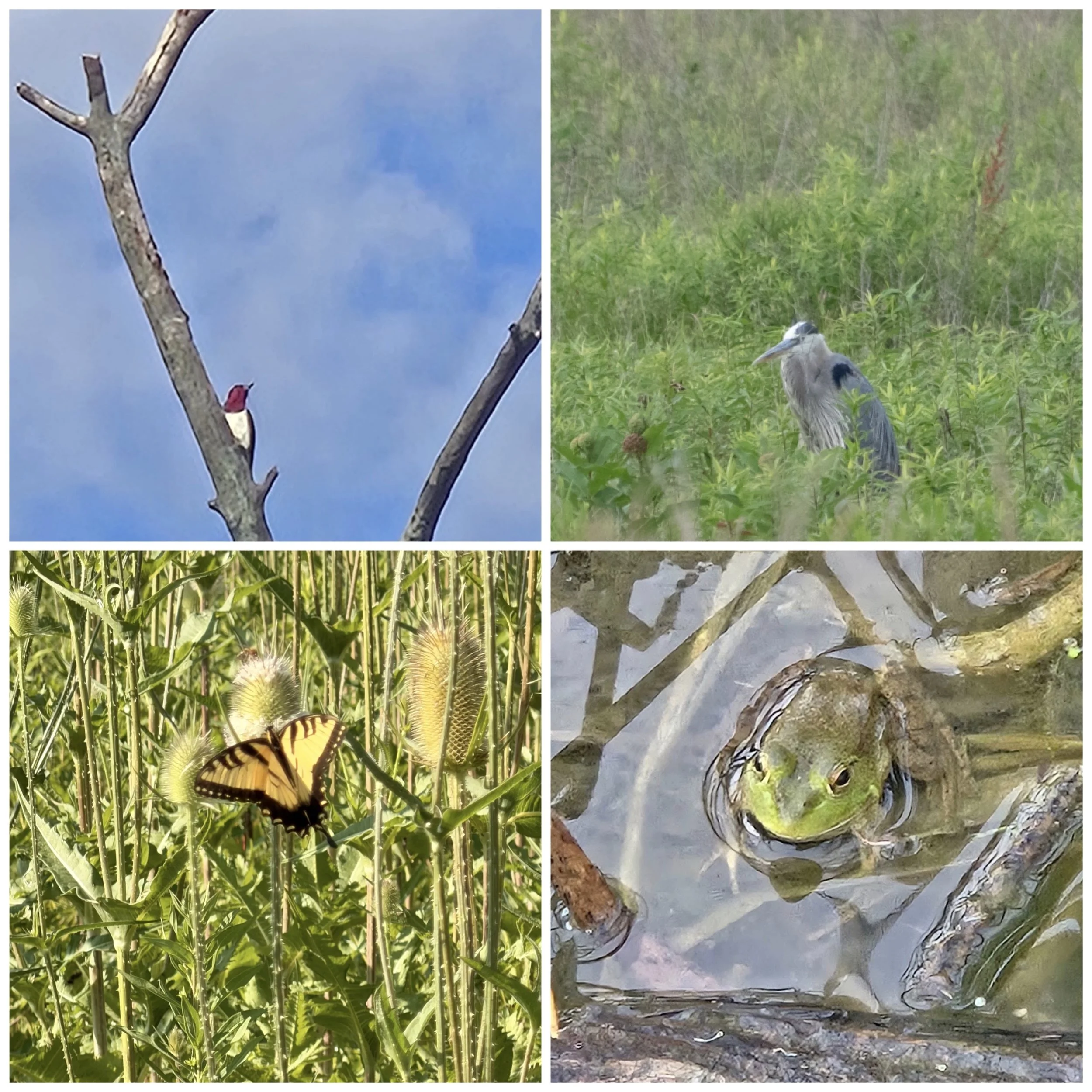
The Village-owned portion of Glass “Farm” and the adjacent 8-acre Tecumseh Land Trust easement function as an unbroken, contiguous wildlife corridor, providing an irreplaceable wetland sanctuary where species thrive regardless of artificial, human-made property boundaries.
Click here to learn more about Frogtown’s incredibly diverse wildlife corridor.
Click below to learn more about two declining species that have been actively documented at Frogtown.
-
CLICK HERE TO VIEW VULNERABILITY STATUS
Red-headed woodpeckers are a common sight in Frogtown. Identified explicitly as state-declining, this species carries formal conservation weight. They depend entirely on mature trees, dead snags, and open canopy for cavity nesting and foraging—habitat features that are permanently eliminated when land is cleared. Habitat loss is the #1 reason red-headed woodpeckers are on the decline. Yellow Springs doesn’t have to be the one of those contributing places.
-
CLICK HERE TO VIEW VULNERABILITY STATUS
The American Woodcock is one of the earliest birds to begin its mating ritual; Displays begin as early as December in the south and March or April further north. We are lucky that Frogtown has documented recordings of Woodcock calls.
The woodcock requires specific wet meadow edges and soft soil for courtship displays and feeding. Because these courtship grounds rely on precise hydrological conditions, developing the wetland directly disrupts their localized reproduction. Habitat loss is the #1 reason American Woodcocks are on the decline. Yellow Springs doesn’t have to be the one of those contributing places.